


Uber's first-quarter numbers landed on Wednesday with a familiar pattern: a minor revenue miss, a beat on everything else, and a stock that jumped 10%. The headline figures, $53.7 billion in gross bookings, 3.6 billion trips, $2.48 billion in adjusted EBITDA, were strong. But the story worth paying attention to is structural, not cyclical.
The company that went public as a ride-hailing business is evolving into something more complex and more defensible. Three threads running through the Q1 results make the case.
Delivery is now the growth engine
Mobility revenue grew 5%. Delivery revenue grew 34%. That gap is striking and it is widening.
Delivery gross bookings hit $26 billion in the quarter, nearly matching mobility's $26.4 billion. Two years ago, delivery was the smaller, lower-margin sibling. Now it is approaching parity on volume and pulling away on growth. The segment's operating income jumped 43% and margins are expanding, from 18.5% to 19.5% of gross bookings.
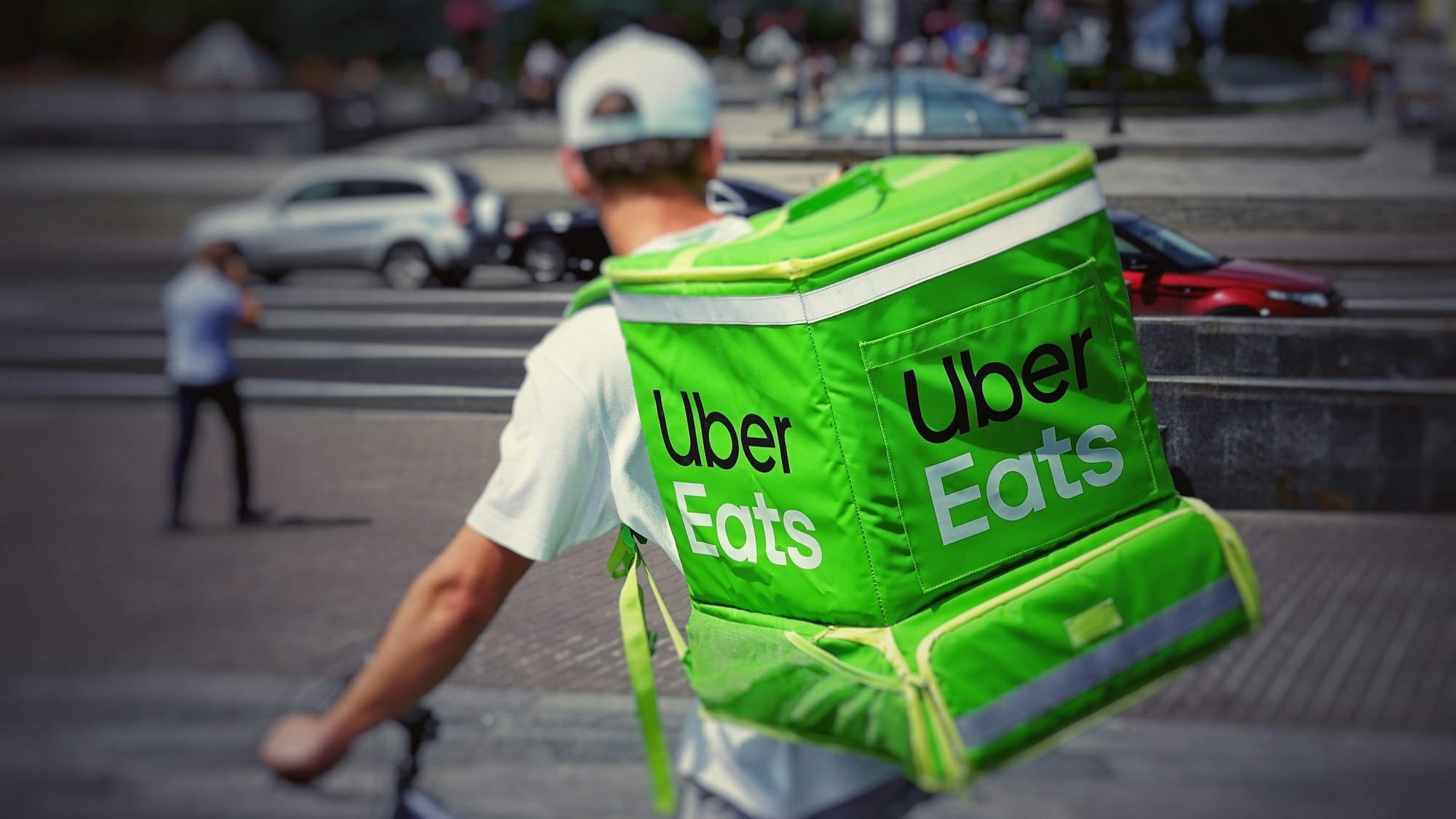
The geographical spread is broad. Australia, Japan, and the UK were the standout markets. Uber is also pushing delivery into new categories. A Cart Assistant that converts shopping lists and recipe images into grocery orders is one example of how AI is being used to deepen the basket, not just fulfil it.
For investors who still think of Uber as a taxi app, the delivery numbers demand a rethink.
Autonomous vehicle play is a platform bet, not a hardware bet
Uber now runs autonomous mobility and delivery services in eight markets, with plans to reach 15 by year-end. It launched Uber Autonomous Solutions during the quarter, building infrastructure to help partners including Waymo and Zoox improve their utilisation rates.
CEO Dara Khosrowshahi told analysts he sees autonomous mobility as a separate trillion-dollar market and does not view it as winner-takes-all. That framing matters. Uber is not trying to build self-driving cars. It is trying to be the operating system through which other companies' self-driving cars find passengers.
The business model is insurance, operations, maintenance, and training data, sold to AV operators who need a demand layer. If autonomous vehicles scale the way their backers expect, Uber's bet is that the network will matter more than the hardware. It is the same logic that made the company dominant in human-driven rides, applied to a fleet that does not need to be paid per trip.
Uber One changes the economics of switching
The loyalty programme hit 50 million members during the quarter. Half of all gross bookings now flow through Uber One subscribers. That is a retention moat that did not exist two years ago.
The mechanics are straightforward. A single subscription gives members discounts and priority across rides, food delivery, and groceries. The more categories a member uses, the harder it becomes to leave. Uber reinforced this during the quarter with One Search, a universal search function across rides, food, and retail, and cross-platform quests that reward spending across multiple verticals.
This is the playbook Amazon proved with Prime. Bundle enough services under one subscription and the customer stops comparing individual transactions on price. Uber is running the same strategy with a smaller product surface but a similar structural advantage: once the habit spans three or four categories, the switching cost is not financial. It is the inconvenience of rebuilding routines.
Tension in the stock
Wedbush's Dan Ives rates Uber neutral with a $75 price target. The stock was trading at $72.95 before the results and jumped past that level after hours. The consensus among the 23 analysts who rate it a buy, with targets as high as $103, is that the market is not pricing in the full value of either the delivery trajectory or the AV optionality.
Related reading
- Uber adds Joby air taxi booking to its app ahead of commercial launch in Dubai
- Uber acquires SpotHero, to add parking reservation to the app
- Prediction market bettors give Nvidia 69% chance of holding world's biggest company crown
The bear case is simpler: mobility revenue barely grew, the GAAP earnings were flattened by mark-to-market losses on stakes in Didi and Grab, and gas prices driven by the Iran conflict are squeezing driver economics. The company spent $3 billion buying back its own stock in a single quarter, a move that signals confidence but also raises questions about whether the capital could be better deployed.
The more interesting question is whether Uber's transformation from a ride-hailing company into a multi-vertical consumer platform is priced correctly by a market that still files it under "transport." The Q1 numbers suggest the business is changing faster than the label.


