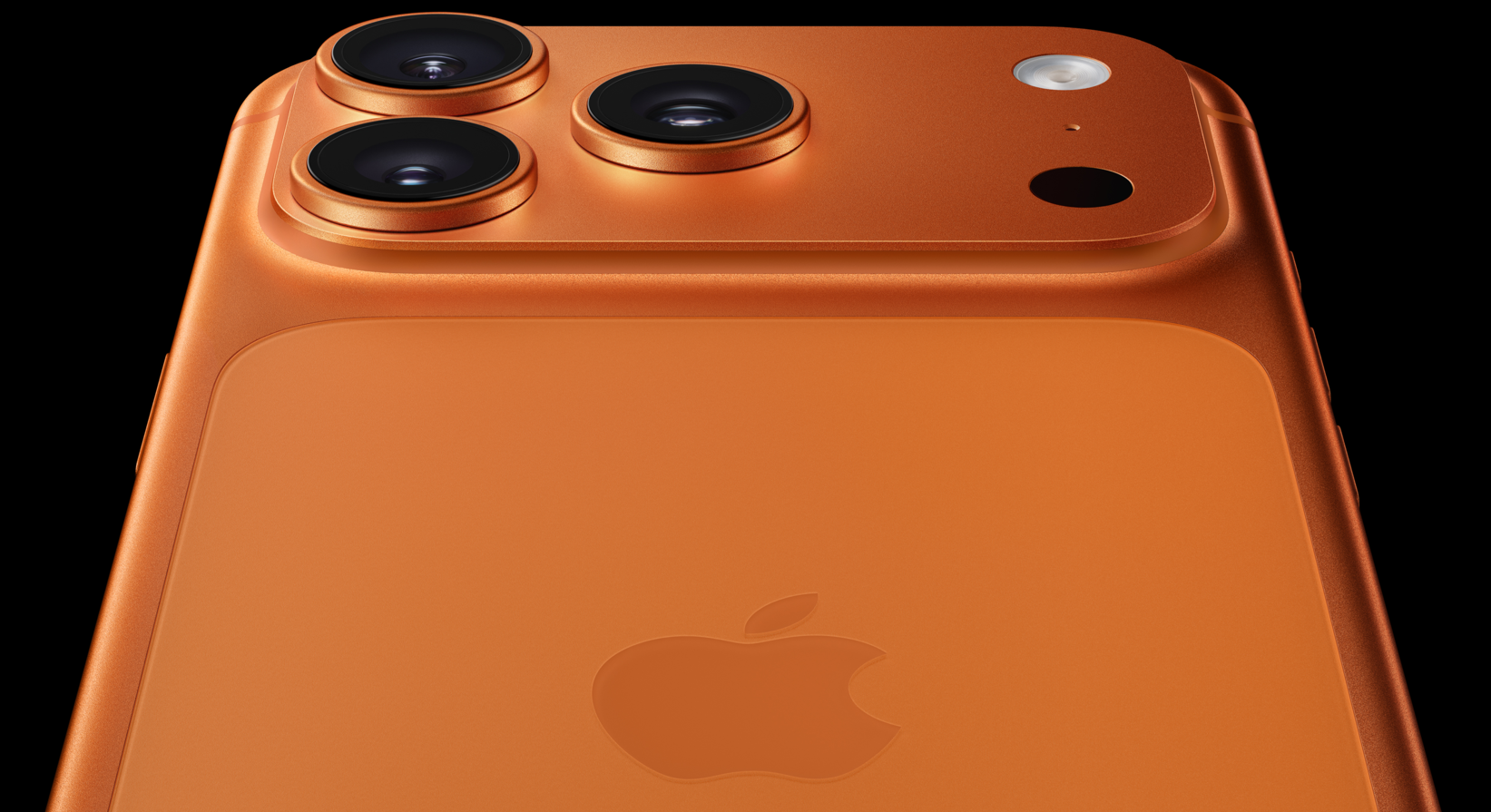


Apple is repurposing processor dies that don’t meet the original product spec and reallocating them to other devices.
The Wall Street Journal reported the practice stretches back to the original iPad and iPhone 4 and surfaced publicly with the M1 MacBook Air’s 7‑core GPU units.
Apple used A18 Pro chips rejected from iPhone 16 Pro production because one of six GPU cores failed, assigning those parts to the lower‑cost MacBook Neo.
Demand for the MacBook Neo exhausted Apple’s stock of binned A18 Pro dies, and the company has commissioned more units to replenish supply.
The report lists additional examples of binned chips in current products, including the A15 Bionic in the iPhone, the A17 Pro in the iPad mini, the A18 in the iPhone 16e, the A19 in the iPhone 17e and the A19 Pro in the iPhone Air.
Related reading
- Google in talks with Marvell to develop two new AI chips as it builds multi-supplier TPU strategy
- Nvidia launches open-source quantum AI models as it deepens grip on chip design workflows
- Meta partners with Broadcom on MTIA AI chips
People familiar with the products told the publication that early A4 dies that drew too much power were redirected to Apple TV, and less efficient S7 chips ended up in the second‑generation HomePod rather than the Apple Watch.
The report said Apple’s reuse of marginal dies has likely produced savings amounting to hundreds of millions of dollars.